-
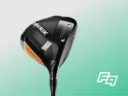 Callaway Paradym DriverThe Distance Standard on a BudgetCheck Current Price ↗
 -
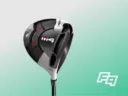 TaylorMade Stealth 2 DriverThe Forgiving All-RounderCheck Current Price ↗
 -
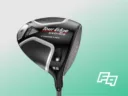 Tour Edge Hot Launch E524 DriverThe Affordable Distance KingCheck Current Price ↗
 -
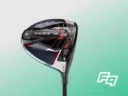 Cobra Aerojet DriverThe Power-Packed PerformerCheck Current Price ↗
 -
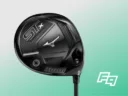 Mizuno ST-X 230 DriverThe Precision Long-Distance DriverCheck Current Price ↗
 -
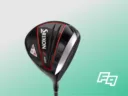 Srixon ZX5 Mk II DriverThe Precision Straight-ShooterCheck Current Price ↗
A new flagship driver costs $600. That's absurd. The good news? Last year's flagships drop to half price or less the moment a new model launches. And driver tech doesn't change that much year over year. We tested six affordable options that genuinely compete with the latest releases on distance, forgiveness, and feel.
Some are previous-gen flagships at closeout prices. Others come from brands that skip the massive marketing budgets and pass those savings along. Either way, every driver on this list earned its spot through real performance, not just a low sticker price.
Callaway Paradym Driver
AI-designed Flash Face and Jailbreak Technology deliver consistent ball speed at a steep discount
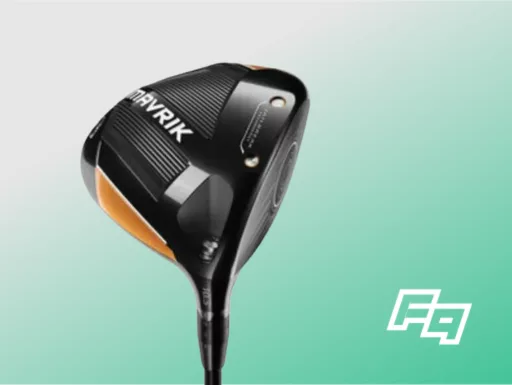
This was Callaway's flagship last year. Now that the Ai Smoke lineup has replaced it, the Paradym sits at roughly half its original retail price. That's the whole trick here: you're getting a $550 driver for $250-$300.
The tech is still legitimately good. Callaway's AI-designed Flash Face uses machine learning to optimize ball speed across the entire hitting area, not just the sweet spot. Jailbreak Technology stiffens the body so more energy transfers to the ball at impact. We noticed consistent distance even on shots caught a half-inch toward the heel, which is where most amateurs actually make contact.
The triaxial carbon crown is the other piece worth knowing about. Carbon instead of titanium on the crown saves weight and lets Callaway push it lower in the head. Lower CG, higher launch, less spin. That combination adds carry distance without requiring you to swing any harder. At 460cc, it looks big and confident behind the ball, sits square at address, and sounds crisp off the face. Hard to ask for more at this price.
- Brand
- Callaway
- Loft
- 9, 10.5, 12
- Shaft
- Project X HZRDUS Silver 60
- Flex
- Light, Regular, Stiff
- Grip
- Golf Pride Z-Grip
- Length
- 45.75"
- Hand
- Right and Left
- Head Size
- 460cc
What We Like
- AI-designed Flash Face delivers consistent ball speed across the face
- Triaxial carbon crown saves weight for lower CG and higher launch
- Now available at steep discounts since the Ai Smoke lineup launched
What Could Be Better
- Not as forgiving as max-draw models at the same price point
The aerodynamic shaping helps too. The head slips through the downswing with less drag, which translates to a tick more clubhead speed you didn't have to manufacture yourself. Paired with those Jailbreak bars connecting crown to sole, the whole structure is engineered to squeeze every bit of energy into the ball.
Bottom line: the Paradym was literally Callaway's best driver one generation ago. Nothing changed except the price. If you're only going to look at one budget driver, make it this one.
TaylorMade Stealth 2 Driver
Carbon Twist Face and a sliding weight track make this a versatile, forgiving option at a discounted price
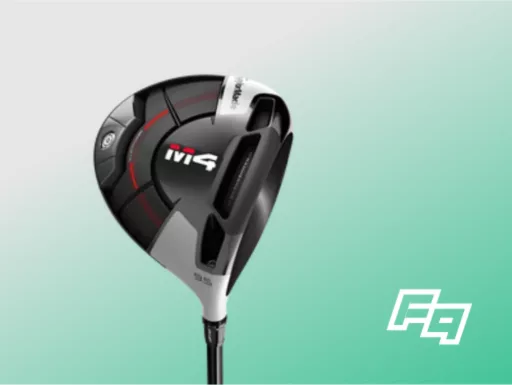
The Qi10 series pushed the Stealth 2 into clearance territory, and honestly, that's great news for anyone shopping on a budget. The headline tech is the 60-layer Carbon Twist Face. It's lighter than titanium, so TaylorMade could redistribute that saved weight into the perimeter for better forgiveness. The "Twist" part matters too: the face geometry is designed to reduce side spin on the two most common mishit spots, high-toe and low-heel.
Here's what really separates the Stealth 2 at this price: a sliding weight track on the sole. Slide it toward the heel for draw bias, toward the toe for fade. That's adjustability you almost never see under $300. Inverted Cone Technology expands the effective sweet spot further, so you hold ball speed even on off-center contact.
The dark carbon crown looks clean at address. No distractions. One honest caveat: the carbon face sounds different. It's a muted, solid thud rather than the metallic ping you might be used to. Some golfers dig it immediately. Others take a few range sessions to stop second-guessing their contact. The performance is the same either way.
- Brand
- TaylorMade
- Loft
- 9, 10.5, 12
- Shaft
- Fujikura Ventus TR Red 5
- Flex
- Senior, Regular, Stiff
- Grip
- Lamkin Crossline 360
- Length
- 45.75"
- Hand
- Right and Left
- Head Size
- 460cc
What We Like
- Carbon Twist Face reduces side spin on mishits for straighter drives
- Sliding weight track for draw/fade bias adjustment
- Heavily discounted now that the Qi10 series is out
What Could Be Better
- Sound and feel from the carbon face is different from traditional titanium - not for everyone
All that perimeter weighting adds up to high MOI, which is a fancy way of saying the head resists twisting when you don't catch it flush. For a 15-handicapper who hits the center maybe half the time, that stability matters more than raw ball speed on a perfect strike. It keeps your misses in play instead of in the trees.
The Stealth 2 was one of the best-selling drivers of its generation. Now it costs what a budget driver should cost, and you can actually tune it to your swing. That's a rare combo.
Tour Edge Hot Launch E524 Driver
Diamond Face 3.0 and dual carbon wings deliver serious performance at a fraction of premium pricing
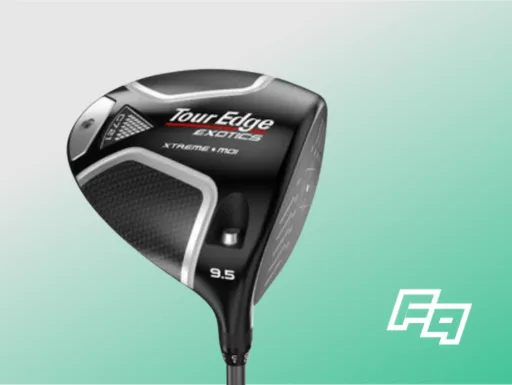
Tour Edge skips the massive tour sponsorship deals and TV ad campaigns. That's not a weakness. It means more of your money goes into the actual club. The E524's standout feature is Diamond Face 3.0, which uses variable thickness zones across the face to maintain ball speed away from center. Think of it as a bigger effective sweet spot. You can genuinely feel the difference on heel and toe misses compared to cheaper drivers.
Dual carbon wings on the crown drop the center of gravity, promoting higher launch with less spin. If you swing around 85-95 mph, that's the exact launch condition that adds carry distance without forcing you to swing harder. The adjustable hosel lets you fine-tune loft and lie angle, too.
The stock UST Mamiya Helium shaft is lightweight and smooth, a smart pairing for moderate swing speeds. Seniors and tempo players will love it. Tour Edge also backs the E524 with a generous warranty, which is reassuring given that you're spending roughly half what Callaway or TaylorMade charge for their current models.
- Brand
- Tour Edge
- Loft
- 9.5, 10.5, 12
- Shaft
- UST Mamiya Helium 4
- Flex
- Senior, Regular, Stiff
- Grip
- Lamkin Crossline
- Length
- 45.5"
- Hand
- Right and Left
- Head Size
- 460cc
What We Like
- Aggressive pricing for the technology you get
- Diamond Face 3.0 expands the sweet spot for better off-center performance
- Lightweight build suits seniors and moderate swing speeds
What Could Be Better
- Limited shaft upgrade options compared to premium brands
- Not widely available for custom fitting at big box stores
The value here is genuinely hard to beat. Adjustable hosel, carbon crown, multi-thickness face, all features you'd normally pay $500+ to get. Your playing partners might not recognize the brand. They will notice the drives landing 10 yards past theirs.
If budget is your primary constraint and you still want modern driver tech, the E524 is our pick. It's the cheapest driver on this list and arguably the best dollar-for-dollar value.
Cobra Aerojet Driver
PWR-BRIDGE weighting and a CNC-milled infinity face deliver impressive speed at closeout pricing
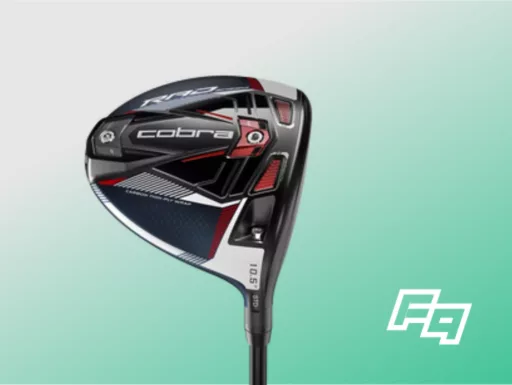
Cobra has always been the "punches above its weight" brand, and the Aerojet proves it. The Darkspeed line replaced it, so the price dropped hard. What you get for the money is impressive: the PWR-BRIDGE weighting system connects crown to sole, creating a stiffer structure that transfers energy more efficiently at impact. Translation? Faster ball speeds, particularly noticeable if your swing speed is 95 mph or above.
The face is where this driver really flexes. Cobra used AI to design the geometry, then CNC-milled each face to exact specs. Not stamped. Not cast. Milled. The infinity face wraps around the edges of the head, extending the usable hitting area well beyond a traditional face insert. Perimeter strikes that would normally lose 8-10 yards only lose 3-4.
An adjustable hosel lets you tweak loft and lie to dial in launch conditions. At current closeout pricing, the Aerojet undercuts both the Paradym and Stealth 2 in many retailers. It was built to compete with those drivers head-to-head, and it did.
- Brand
- Cobra
- Loft
- 9, 10.5
- Shaft
- Mitsubishi Kai'li White 60
- Flex
- Regular, Stiff, X-Stiff
- Grip
- Lamkin Crossline
- Length
- 45.5"
- Hand
- Right and Left
- Head Size
- 460cc
What We Like
- PWR-BRIDGE technology delivers impressive ball speeds across the face
- Adjustable hosel for fine-tuning loft and lie
- Now at closeout pricing since the Darkspeed line replaced it
What Could Be Better
- Sound at impact is muted compared to some competitors
The aerodynamic head shape cuts drag through the downswing, adding a couple mph of clubhead speed you didn't have to manufacture. Free yards. We'll take those every time.
Fair warning on the sound: the Aerojet is quiet. More of a low-pitched thump than a crack. It's a polarizing trait. If you need that loud "I just bombed one" feedback off the face, you might prefer the Paradym. But if you judge drivers by results on the course, the Aerojet hangs with anything in this price range. And usually costs less.
Mizuno ST-X 230 Driver
Beta Ti face and carbon composite crown deliver high ball speeds in a clean, no-nonsense package
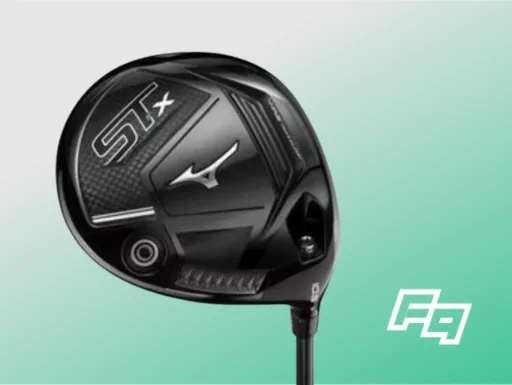
Nobody makes clubs that feel like Mizuno. That reputation comes from their irons, but the ST-X 230 carries it into the driver category. The face uses SAT2041 Beta Ti, a titanium alloy with an exceptional strength-to-weight ratio. It rebounds fast, converting your swing energy into ball speed with minimal waste. For a driver you can find under $250, that face tech alone justifies the price.
A carbon composite crown moves weight lower and deeper in the head. Lower CG means higher launch with reduced spin, the exact combo that maximizes carry for most amateur swing speeds. Wave Technology in the sole flexes on contact to stabilize off-center hits, keeping your ball flight tighter when you miss the middle. It's not as forgiving as the Stealth 2 on wild mishits, but on the typical half-inch miss, it holds up well.
At address, the ST-X 230 is pure Mizuno. Clean. Understated. No garish graphics or oversized alignment cues. Just a simple, classic shape that lets you focus on the target. Golfers who care about aesthetics and feel will gravitate toward this one immediately.
- Brand
- Mizuno
- Loft
- 9.5, 10.5
- Shaft
- Fujikura Ventus TR Blue 5
- Flex
- Regular, Stiff
- Grip
- Golf Pride Tour Velvet 360
- Length
- 45.5"
- Hand
- Right and Left
- Head Size
- 460cc
What We Like
- Beta Ti face produces high ball speeds for the price
- Carbon composite crown lowers CG for higher launch with less spin
- Clean design with no distractions at address
What Could Be Better
- Fewer flex options than competitors, only available in regular and stiff
The draw bias weight configuration positions mass to help close the face slightly through impact. If you fight a fade or a mild slice, this natural draw tendency can straighten things out without a swing overhaul. The adjustable loft sleeve gives you +/- 2 degrees of loft tweaking, which is enough to meaningfully change your launch window.
The catch? Only regular and stiff flex options. Seniors and slower swingers should look at the Tour Edge E524 instead. But if your swing speed puts you in that 90-105 mph range, the ST-X 230 is a refined, satisfying driver that costs a fraction of what the ST series commands new.
Srixon ZX5 Mk II Driver
Rebound Frame and Star Frame crown combine for fast ball speeds and a penetrating launch
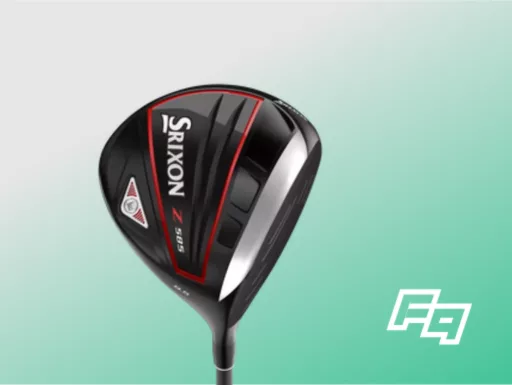
Srixon flies under the radar. They don't have Tiger or Rory on staff, and they don't flood your Instagram feed. But the ZX5 Mk II is quietly one of the best-performing drivers you can find at a discount. The core tech is Rebound Frame: alternating flexible and rigid zones inside the clubhead. Flexible zones maximize face deflection. Rigid zones channel that energy straight back into the ball. The net effect is faster ball speeds without swinging any harder.
The Star Frame crown uses a lightweight carbon design with a star-shaped reinforcement pattern. Unusual approach, but it works. The saved weight goes low and deep, producing a penetrating launch with reduced spin. If you play in wind, that's a serious advantage. This driver keeps the ball boring through conditions that would balloon a high-spin competitor.
An adjustable hosel gives you +/- 2 degrees of loft adjustment. At its current clearance price, the ZX5 Mk II offers flagship engineering that Srixon originally sold to single-digit handicappers. Now it costs what you'd pay for a mid-tier driver. That's a steal.
- Brand
- Srixon
- Loft
- 9.5, 10.5
- Shaft
- Project X HZRDUS Smoke Red RDX 60
- Flex
- Regular, Stiff
- Grip
- Golf Pride Tour Velvet
- Length
- 45.25"
- Hand
- Right and Left
- Head Size
- 460cc
What We Like
- Rebound Frame technology generates impressive ball speed for the money
- Star Frame crown saves weight for a lower CG and penetrating launch
- Adjustable hosel for dialing in loft
What Could Be Better
- Less forgiving on extreme mishits than max-game-improvement options
Be honest with yourself about your game, though. The ZX5 Mk II rewards consistent contact with explosive distance and excellent feel. Catch one flush and it's addictive. But it won't rescue you on wild heel or toe strikes the way a max-game-improvement driver would. This is a driver for the 10-18 handicap range who hits the general center most of the time.
The stock Project X HZRDUS Smoke Red RDX shaft is a mid-launch, mid-spin profile that pairs smartly with the head's low-spin tendencies. It's a thoughtful combination that works across a wide range of swing types. No immediate need to reshaft, which saves you another $200+.
Buyer's Guide: How to Choose the Best Budget Driver for Your Game
You only carry one driver. Maybe two putters if you're having a crisis, but one driver. So the stakes are higher than picking out a wedge or a hybrid. Get it wrong, and that's a bad experience on every single tee box for the foreseeable future.
The good news: you can absolutely get a great driver on a budget. Not a mediocre one. A great one. Here are two strategies that work.
Consider new brands
Callaway, TaylorMade, Titleist, and Ping spend millions on tour sponsorships and advertising. You're partially paying for Scottie Scheffler's contract when you buy their latest model. That doesn't mean the clubs are bad. They're excellent. But you're paying a brand tax.
Companies like Tour Edge, Maltby, and Sub 70 skip most of that overhead. Their drivers use comparable materials and manufacturing processes, often in the same factories. The performance gap between a $200 Tour Edge driver and a $550 Callaway is far smaller than the price gap suggests.
Buy a few old drivers from the leading brands
Major brands release new drivers every 12 months. The second a new model drops, last year's flagship loses 40-60% of its retail value overnight. The driver itself didn't get worse. The marketing just moved on. Buying one generation back is the single best hack for getting premium performance at a budget price. Four of the six drivers on this list use exactly this strategy.
Club Features
Once you've decided on a budget, here's what actually matters. Not every spec deserves equal weight, so we'll rank them by how much they affect your on-course results.
Head Size and Shape
Every driver on this list is 460cc, the maximum allowed by the USGA. That's intentional. At the budget level, there's no reason to go smaller. A 460cc head gives you the largest possible sweet spot and the most forgiveness on off-center strikes. Smaller heads (430-445cc) offer more workability, but that's a feature for low-handicap players who shape shots intentionally. If that's you, you probably aren't shopping the budget aisle.
Loft
This is the single most important spec to get right. Most amateurs play too little loft. They see a 9-degree driver and think "low and fast," but their 90 mph swing speed can't launch a 9-degree driver high enough to maximize carry. General rule: swing speed under 95 mph, go 10.5 or 12 degrees. Over 100 mph, 9 or 10.5 works. If you're unsure, err on the higher side. You'll almost always gain distance, not lose it.
Shaft Flex
Wrong shaft flex costs you distance and accuracy. Too stiff and you'll hit low, weak fades. Too whippy and you'll spray it everywhere. Here's a rough guide: under 85 mph, senior flex. 85-95 mph, regular. 95-105 mph, stiff. Over 105 mph, x-stiff. These aren't hard lines, but they'll get you in the right neighborhood. A launch monitor session at any golf shop will tell you exactly where you fall.
Adjustability
Most of the drivers on this list have adjustable hosels, and the Stealth 2 adds a sliding weight track. Adjustability is genuinely useful because it lets you fix launch issues without buying a new club. Hitting it too low? Add a degree of loft. Fighting a slice? Move the weight to the heel. It's free optimization. We'd strongly recommend prioritizing an adjustable driver over a fixed one at any price point.
Price
The sweet spot for budget drivers is $150-$300. Under $150, you're usually getting no-name brands with outdated tech. Over $300, you're creeping into current-gen territory where you're paying for the latest marketing cycle. Every driver on this list falls in that $150-$300 window and delivers performance that would have cost $500+ just 12-18 months ago.
Conclusion
If we had to pick just one, the Callaway Paradym gets our top recommendation. It's a no-compromise flagship driver at a fraction of its original price, and it performs across the widest range of swing types. The Tour Edge E524 is our budget pick for golfers who want to spend the absolute minimum and still get modern tech.
For golfers who want adjustability, the TaylorMade Stealth 2 and its sliding weight track is hard to beat. Faster swingers should look hard at the Cobra Aerojet for raw ball speed. Feel-first players will love the Mizuno ST-X 230. And the Srixon ZX5 Mk II is the sleeper pick for mid-handicappers who want low spin and a penetrating flight.
Six drivers, six legitimate options. The best one is the one that fits your swing speed, your miss pattern, and your wallet. Grab one, hit the range, and go play.